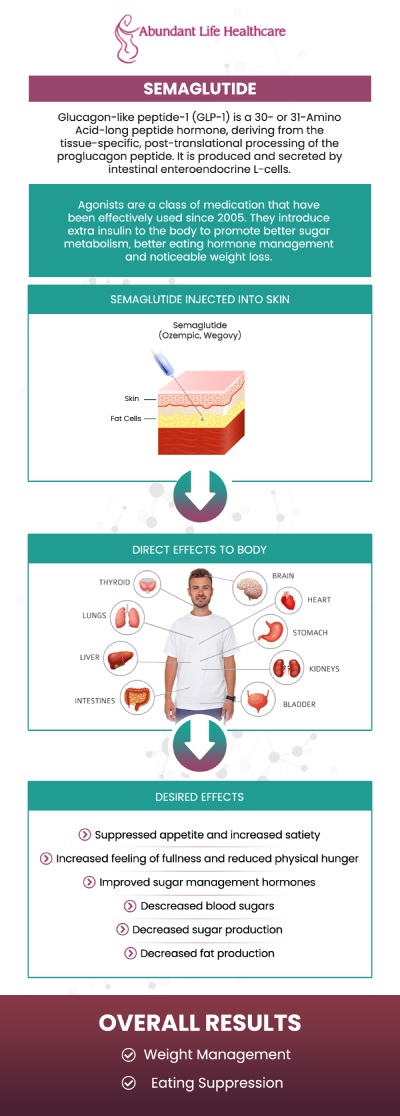
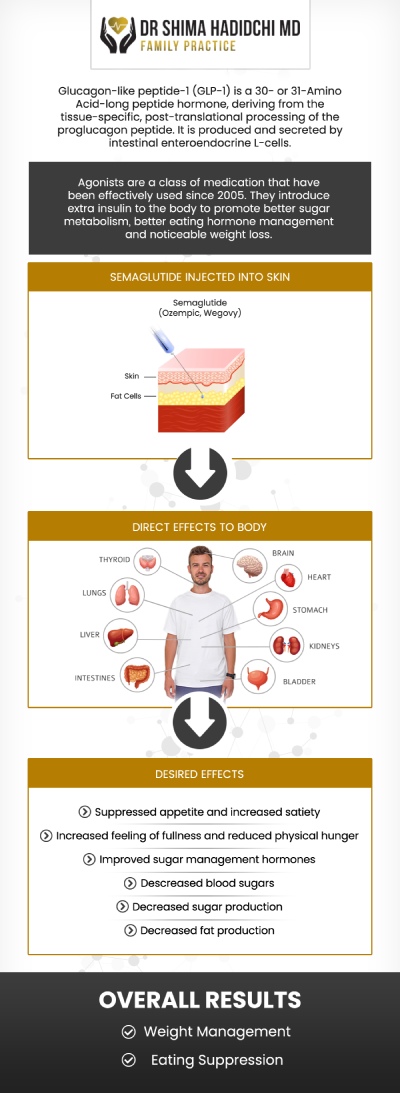
In OVX rat, administration of semaglutide at ~ 21 and 43 g/kg/day resulted in body weight loss in the animals, but also to improvement in BMD at the axial and appendicular skeleton associated with a reduction in BTMs [58]
Why bacteriostatic water is the standard for peptide reconstitution In laboratory practice, the choice of solvent is governed by several requirements at once, and bacteriostatic water meets them all: Neutrality toward the peptide , it has a near-neutral pH and contains no salts or ions that could react with the peptide molecule or affect its stability Compatibility , it works with the vast majority of common research peptides without causing precipitation, aggregation, or degradation Extended solution shelf life , thanks to the preservative, the reconstituted solution lasts substantially longer with proper storage than with sterile water Safety of repeated withdrawal , a single vial serves for multiple withdrawals over days, which is essential when working with small doses Availability and standardization , it is an established, well-documented solvent familiar to everyone who works with peptides When something else is used For completeness, it should be added that bacteriostatic water is not the only possible solvent, merely the most common
It can introduce bacteria that multiply in the solution over the 28-day use window
In preclinical models, Dihexa has shown the ability to increase synaptic markers like synaptophysin, improve neuronal counts in the hippocampus, and restore spatial memory and learning capacity in cognitively impaired animals









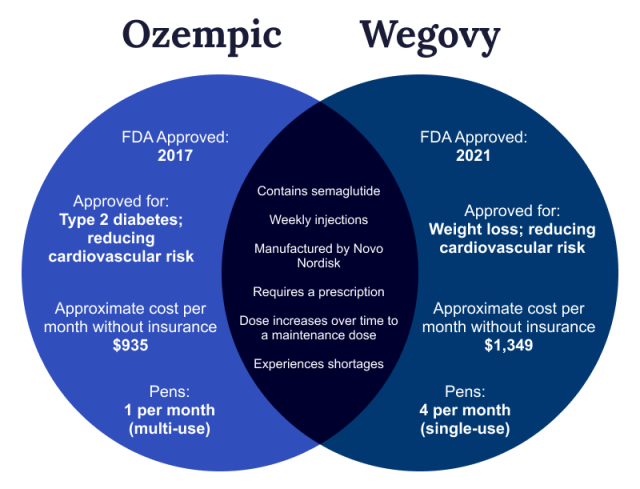
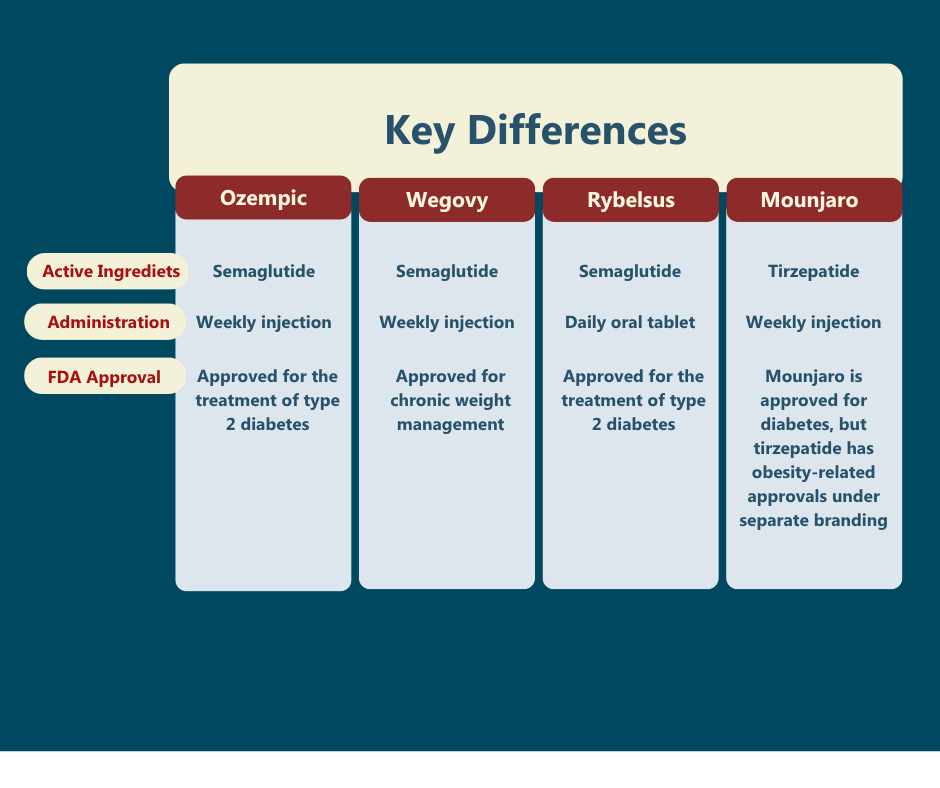
:max_bytes(150000):strip_icc()/WhatstheDifferenceBetweenOzempicWegovyandMounjaro-illo-a8f5a23fe4914586b4488472fe15f112.png)